

Wedding Planner vs Wedding Designer: What’s the Difference and Do You Need Both?

One of the most common questions couples ask when they start planning a wedding is simple:
Do we need a wedding planner, a wedding designer, or both?
It is a great question, and the confusion makes sense. The wedding industry often uses these terms interchangeably, even though they represent two very different roles.
Understanding the difference between wedding planning and wedding design early in the process can save you time, money, and unnecessary stress. More importantly, it helps you create a wedding that not only runs smoothly but also feels intentional and memorable.
Let’s break down what each role actually does.
What Does a Wedding Planner Do?
At its core, wedding planning is about logistics.
A wedding planner focuses on the structure that holds the entire event together and helps guide you through the planning process.
Typical planning responsibilities include:
- Creating and managing timelines
- Vendor coordination
- Contract and budget oversight
- Guest flow and event logistics
- Day-of execution
A good planner makes sure nothing falls through the cracks. They are constantly thinking about timing, communication, and how all the moving pieces come together behind the scenes.
If you want guidance throughout the entire process or are juggling multiple vendors and decisions, planning is essential.
What Does a Wedding Designer Do?
While planning focuses on logistics, wedding design focuses on the experience.
Design is not just about how things look. It is about how the entire event feels from the moment guests arrive to the moment they leave.
Wedding design typically includes:
- Creative direction and overall aesthetic
- Color palette and visual concepts
- Layout and floorplans
- Lighting and atmosphere
- Guest flow and environmental details
Design connects everything into a cohesive experience.
It is the difference between a wedding that is nice and one that people genuinely remember.
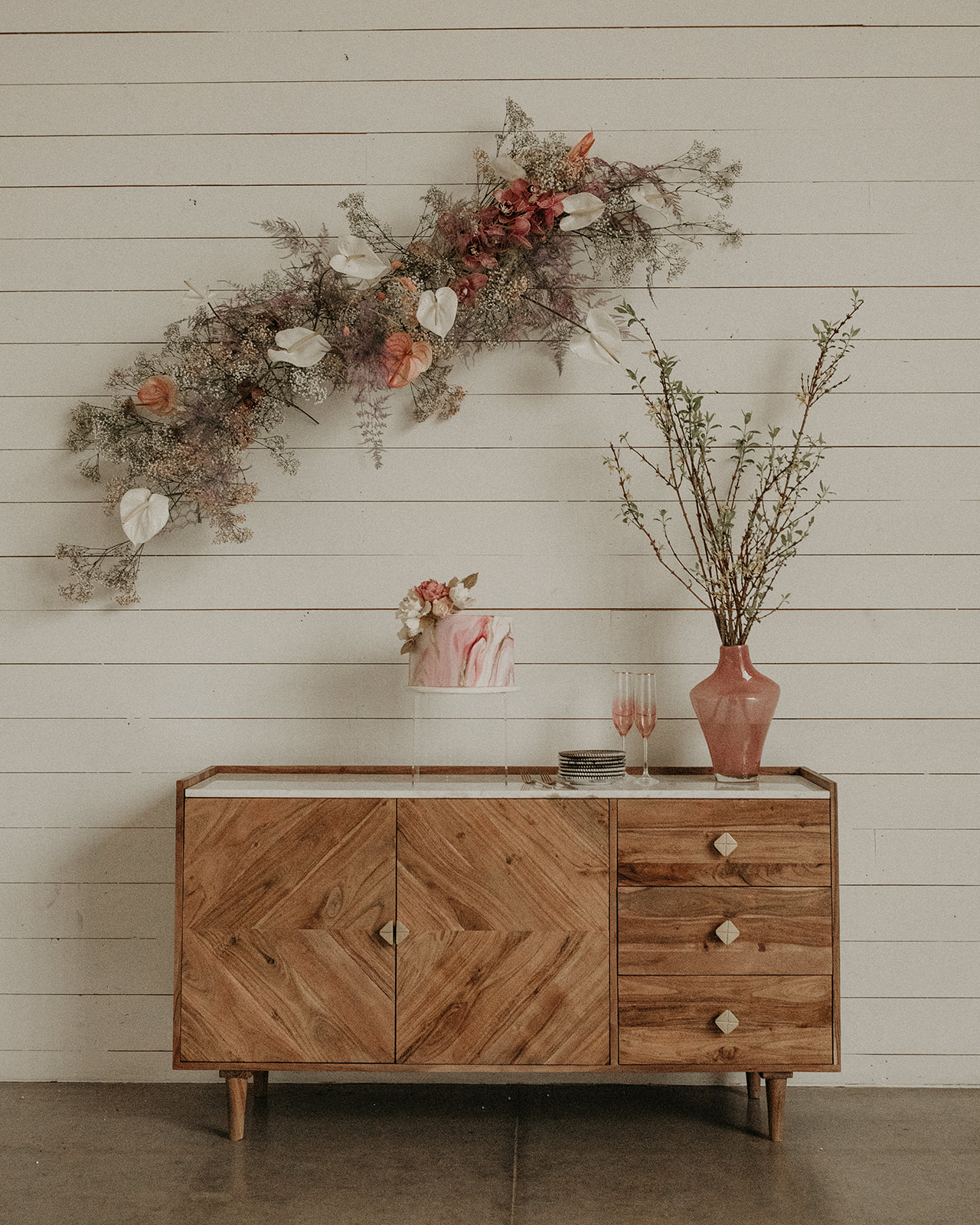
Why Many Couples Actually Need Both
Many couples start with planning because it feels practical. And it is. You need someone managing the process.
But what often gets overlooked is how the wedding will come together visually and experientially.
You can have a perfectly planned wedding that still feels disconnected. Great vendors, a solid timeline, everything runs smoothly, but the overall experience does not feel intentional.
That is usually a design gap.
On the other hand, having a strong design vision without someone managing logistics can create a different kind of stress.
The most successful weddings balance both.
When You Need Planning, Design, or Full Service
Most couples fall into one of three scenarios.
Full-service planning and design works best when you are early in the process and want everything built together from the start.
If you already have some vendors booked, planning with design support can still work well as long as the creative direction is aligned early.
If your main priority is how the event looks and feels and you already have logistics under control, design can take the lead.
For larger or higher-end weddings, planning and design usually work best when they happen together.
Weddings in Texas Are Becoming More Experience Driven
Across Austin, Dallas, Houston, and San Antonio, weddings are becoming more guest-focused and experience-driven.
Couples are thinking beyond just the ceremony and reception. They are planning full weekends, layered guest experiences, and more intentional transitions between moments.
Each city brings its own personality.
Austin tends to lean creative and relaxed, which opens the door for unique layouts and environments. Dallas often supports more polished, formal celebrations. Houston offers scale and flexibility for larger guest counts. San Antonio blends historic venues with destination-style charm, making it ideal for multi-day celebrations and cultural traditions.
Regardless of location, the goal is the same. People want their weddings to feel intentional.
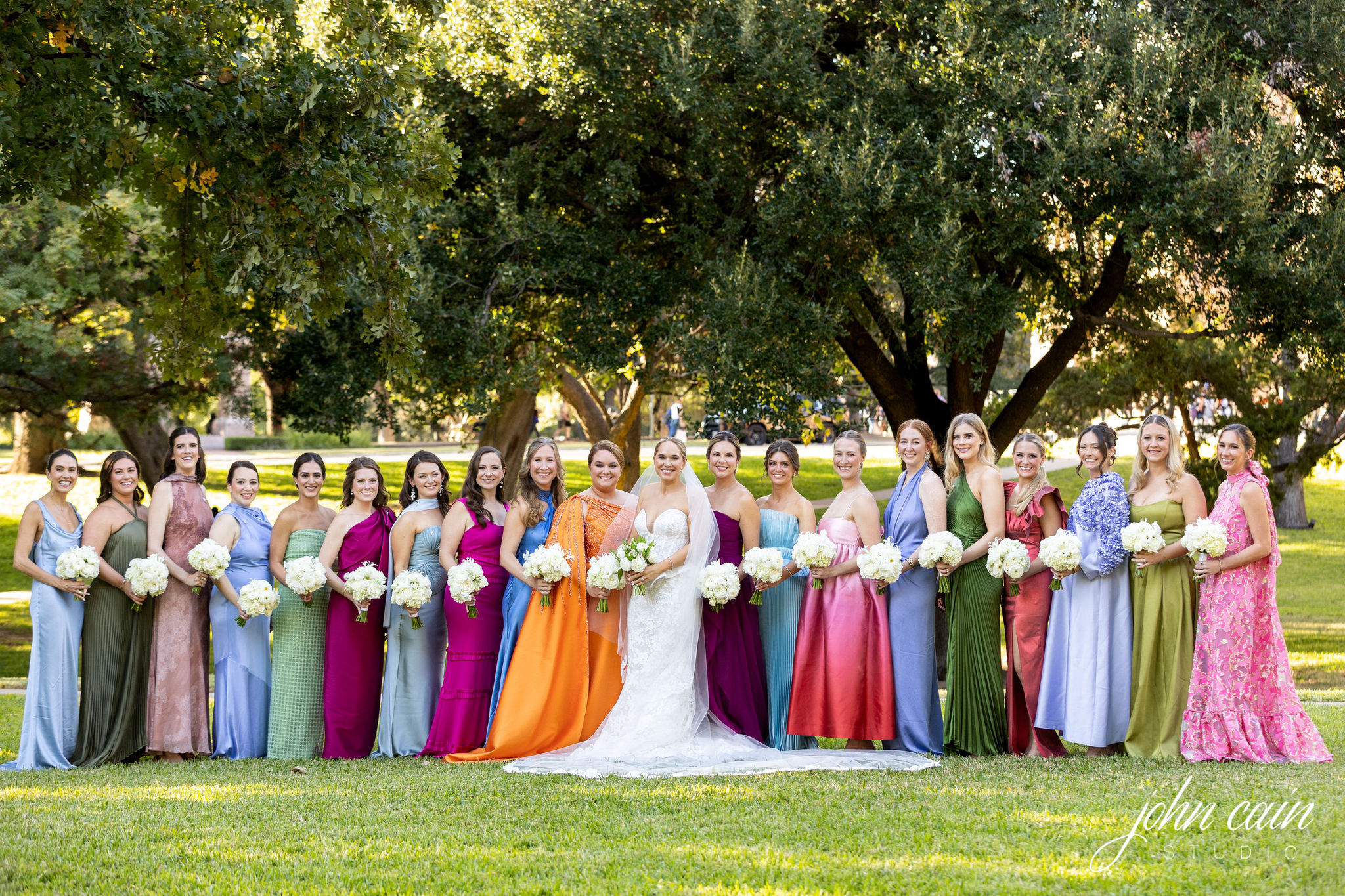
This Applies to Social Events Too
This same conversation comes up often with social events as well.
People planning milestone celebrations like birthdays, anniversaries, or Mitzvahs often start by focusing on logistics. The venue, timeline, catering, and entertainment usually come first.
But the celebrations that truly stand out are the ones where design is just as intentional.
It is not just about choosing a theme. It is about creating an environment that reflects the personality of the host and the reason everyone is gathering.
The flow of the party.
How guests interact with the space.
How the energy shifts throughout the night.
The most memorable events move beyond simply planning a party and focus on creating a thoughtful experience.
.jpg)
The Bottom Line
Planning makes sure your wedding works.
Design makes sure it feels right.
When those two pieces align, everything changes. The flow, the energy, and the way guests experience the celebration.
If you are planning a wedding or social event in Austin, Dallas, Houston or San Antonio and want it to feel intentional from the start, we would love to be part of that conversation.
David and Jordan
Big Time Creatives (BTC)


